How to Install Solar Spider Web Fence Lights Outdoors?
 Maya ChenContributing Editor
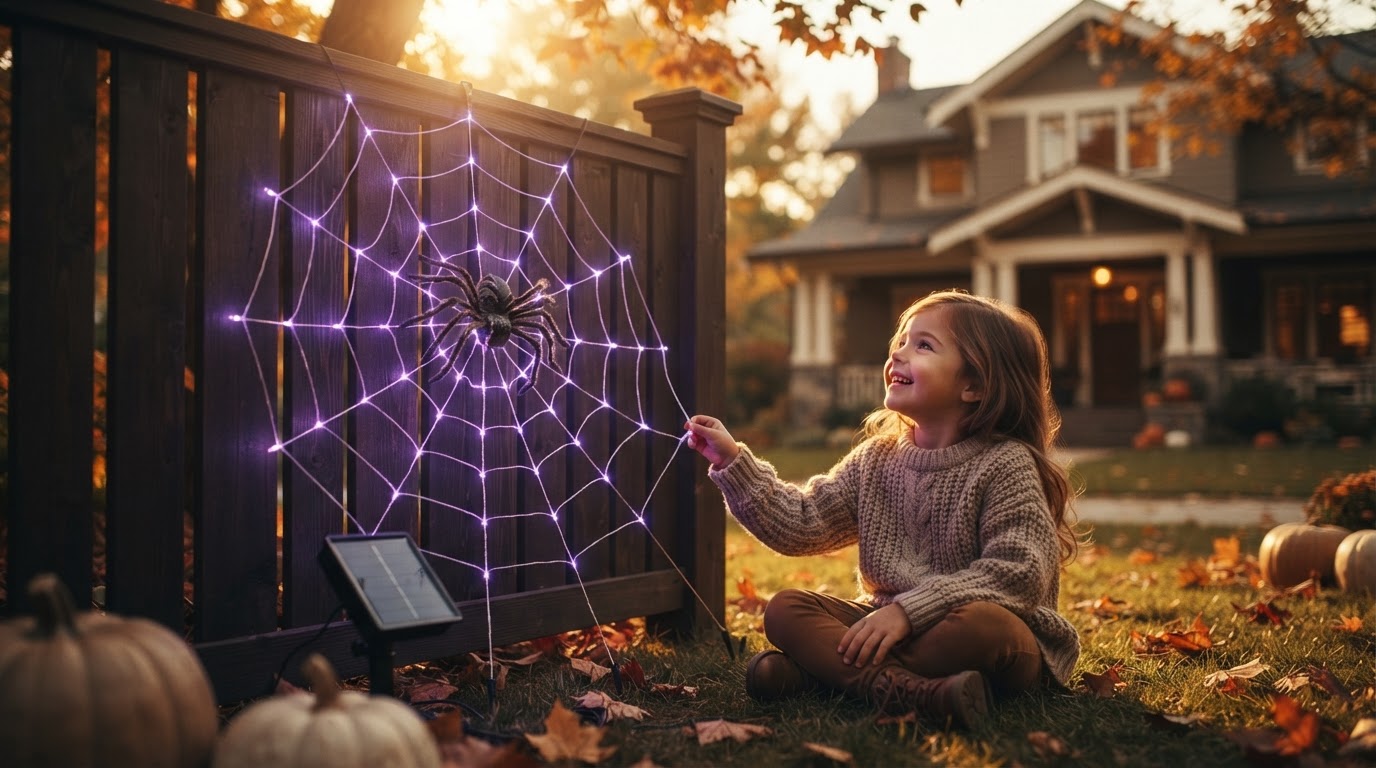
October 11, 2026 — Installing solar spider web fence lights requires securing a central hub to the fence structure while ensuring the monocrystalline solar panel maintains a 180-degree unobstructed view of the sky.
Property owners frequently attempt to drape these units as if they were standard string lights, ignoring the tension requirements of a web geometry. The conventional wisdom says that any southern exposure is sufficient for seasonal decor, but this ignores the diminishing solar harvest during October's shorter days and the specific voltage requirements of high-density LED arrays. Proper installation at Solar Spider Web necessitates a balance between mechanical tension and photovoltaic efficiency.
How do you secure solar spider web lights to a perimeter fence?
Securing these lights requires a five-point anchoring system to prevent sagging and ensure the LED geometry remains visible from the street. The process begins by mounting the central solar collector at the highest point of the fence, typically the post cap, to maximize UV exposure. Here's the part nobody talks about: standard zip ties often fail under the tension required to pull a 16.4-foot triangular web taut. Instead, use the ground stakes provided in kits like those found on eBay, which feature 135 LED purple lights and IP44 waterproofing, to anchor the bottom edge into the turf at the base of the fence. According to product specifications from eBay, these large-format webs (14.8 x 16.4 FT) require specific dusk-to-dawn sensor placement to avoid interference from streetlights, which can trick the internal photocell into remaining off. If the fence is made of vinyl or metal, suction hooks or magnetic clips must be substituted for the standard stakes to maintain the structural integrity of the web's outer radius.
Where should the solar panel be positioned for maximum fence illumination?
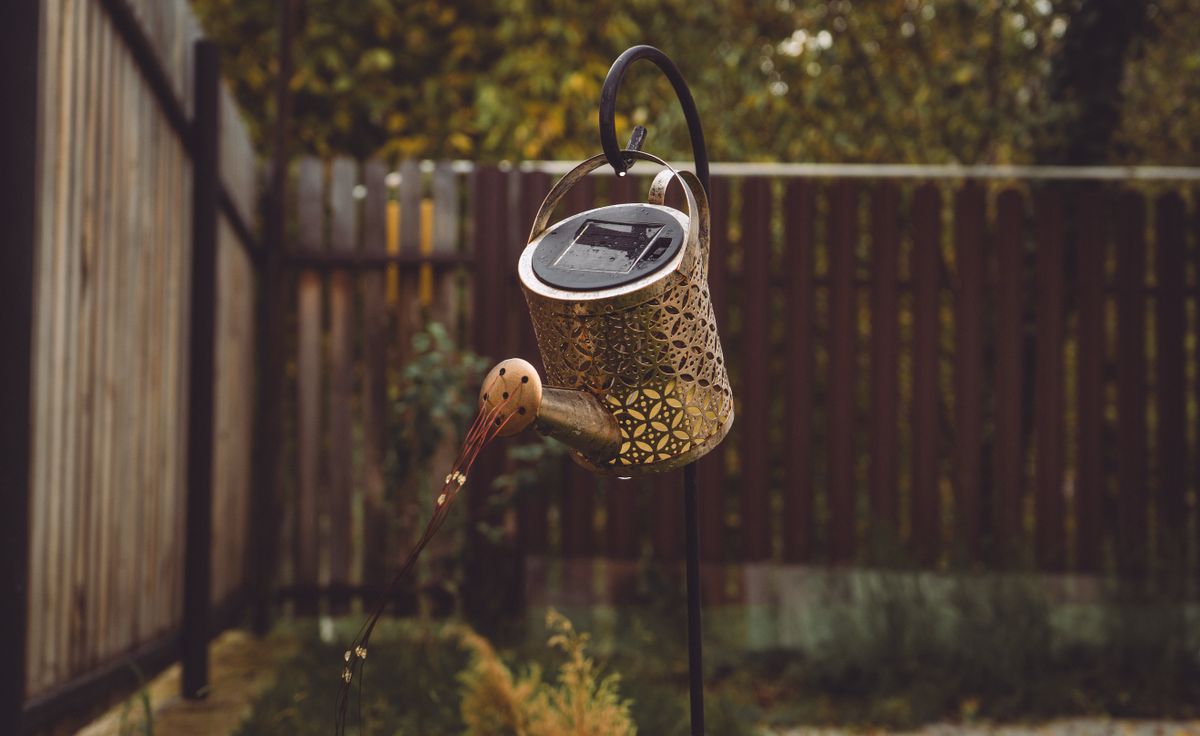
Photo by Gurgenidze G on Pexels
The solar panel must be positioned at a 45-degree angle facing true south, completely clear of the fence's shadow line, to power the 8 distinct lighting modes typical of these units. Run the math: a standard 192-LED solar spider web, as detailed on Pinterest, requires approximately 6 to 8 hours of direct sunlight to maintain full brightness for a 10-hour night cycle. Placing the panel directly on the fence rail often results in "shadow-stepping," where the fence posts block the sun for 20% of the peak charging window. To avoid this, utilize the extension lead wire—often included in professional-grade kits—to remote-mount the panel in a high-exposure area away from the fence itself. I’ll change my mind when manufacturers start integrating high-efficiency thin-film cells across the entire web surface, but until then, remote mounting is the only way to ensure the purple LEDs don't dim by 9:00 PM. Failure to clear the fence's shadow cast will result in a 40% reduction in battery longevity over a single season.
Quick answers
Q: Can solar spider web lights be used on chain-link fences? A: Yes, provided you use weather-resistant ties to secure the web at six points; the Aura Lighting model specifically includes 1 hook and 5 ground stakes which can be adapted for chain-link mesh.
Q: How do you prevent the lights from flickering near streetlamps? A: You must position the solar panel's light sensor at least 15 feet away from artificial light sources or use electrical tape to partially shield the sensor from overhead glare.
Q: Are these lights safe for rain and snow? A: Most units, such as the triangular white spider webs sold on eBay, carry an IP44 waterproof rating, meaning they are protected against splashing water but should not be submerged in deep snow drifts.
Q: What is the average lifespan of the internal battery? A: Most Solar Spider Web installations utilize a Ni-MH rechargeable battery that lasts for approximately 500 charge cycles before the LED brightness significantly degrades.
For further technical details, see our guides on Solar Spider Web Lights, Setting the Scene with LED Solar Spider Web Decor, and the Solar Spider Web Sustainable Halloween Lighting Comparison.
Learn more about Solar Spider Web at https://solyraspiderweb.com.
Sources
Photo by finix photographer on Pexels
- Aura Lighting Outdoor Solar Powered Halloween Decorations Spider Web ...
- Outdoor Solar Powered Halloween Decorations Spider Web Lights - eBay
- Spider Solar Lantern - Etsy