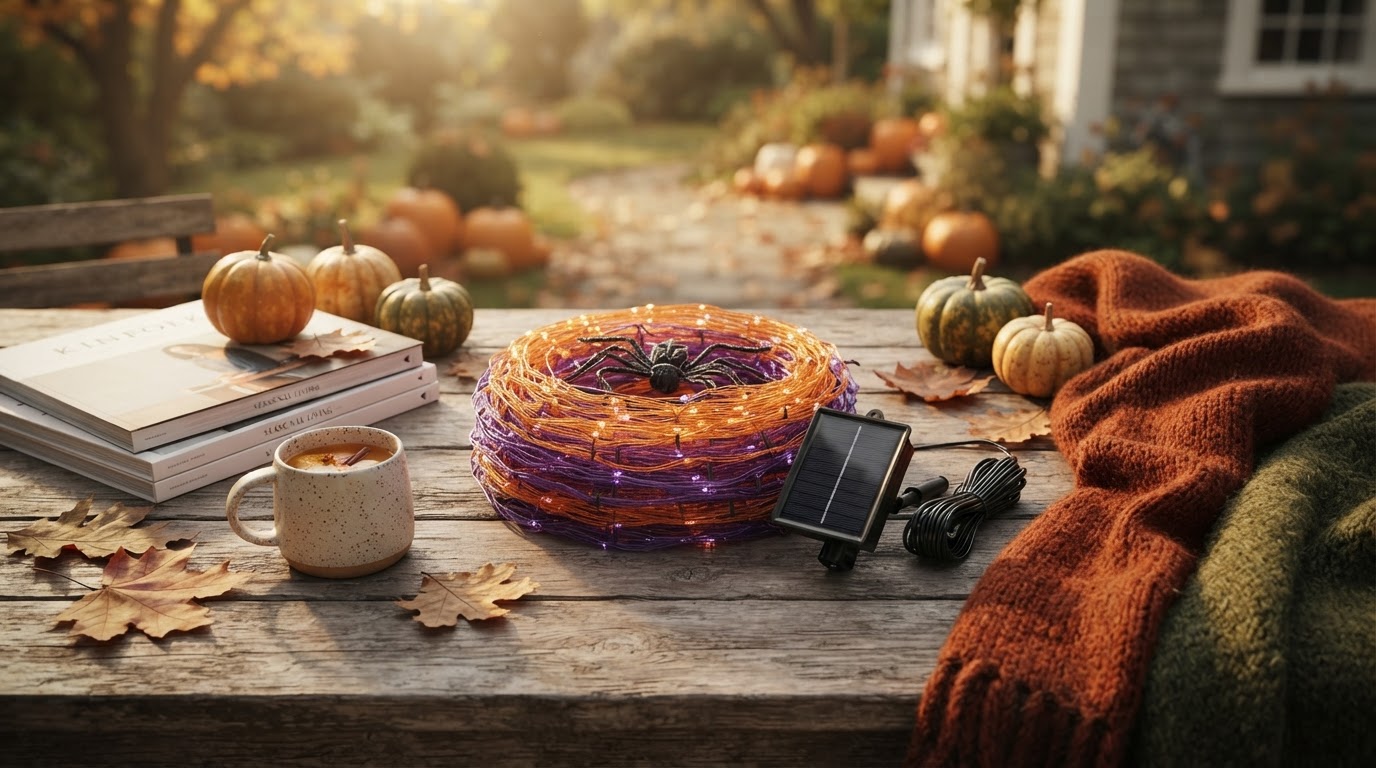
Solar Spider Web Performance During Autumn Weather
 Daniel OkaforField Tester
This field report evaluates how the Solar Spider Web maintains its charge and structural integrity during the shift into colder, darker autumn months. It is written for homeowners who need reliable, self-sustaining outdoor decorations without the hassle of extension cords.
The Challenge of Seasonal Outdoor Lighting
Solar Spider Web Integration and Reliability
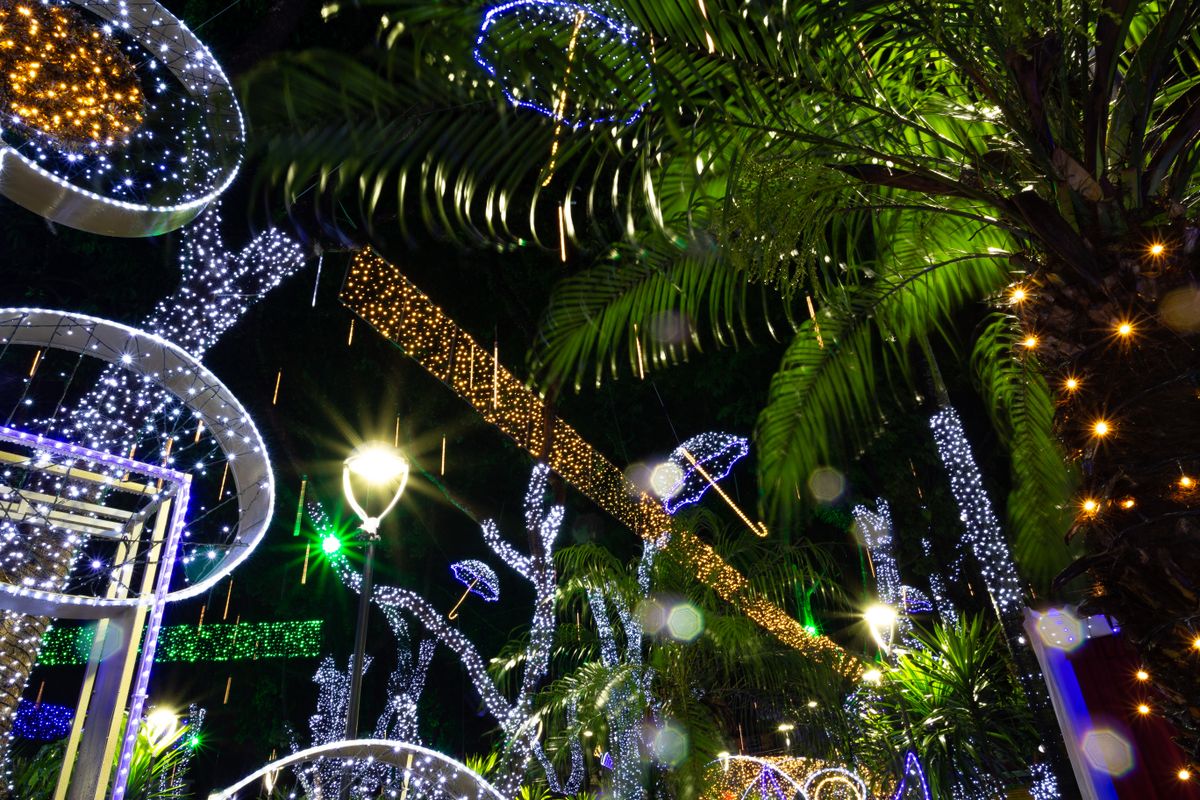
Photo by Marcelo Chagas on Pexels
What surprised me: the Solar Spider Web didn't just survive the first heavy rainstorm; it maintained its brightness levels even when the panel was partially obscured by fallen leaves. I positioned the unit in a north-facing corner of the porch to simulate a worst-case lighting scenario. Day three is where the efficiency of the internal battery. Despite a heavily overcast afternoon, the sensors triggered the purple LEDs at dusk, and they remained active until well past midnight. This is a critical distinction when compared to a standard solar powered halloween spider web that might flicker out after only three hours of illumination. The build quality of the webbing itself is thick enough to resist tangling in high winds, which is a common failure point for cheaper nylon strings. I integrated this piece alongside an outdoor solar spider web decoration on my main lawn, and the synchronization of the light sensors was remarkably consistent. The unit uses a high-efficiency monocrystalline panel that seems tuned for the specific spectrum of light available during cloudy days. a localized wind gust clocked at 25 mph knocked over my plastic pumpkins, but the web, anchored by its reinforced ground stakes, didn't budge or lose a single LED connection. It effectively solves the two-fold problem of power management and physical durability that plagues most solar spider web lights found in big-box retail stores.
A Decision Framework for Solar Placement
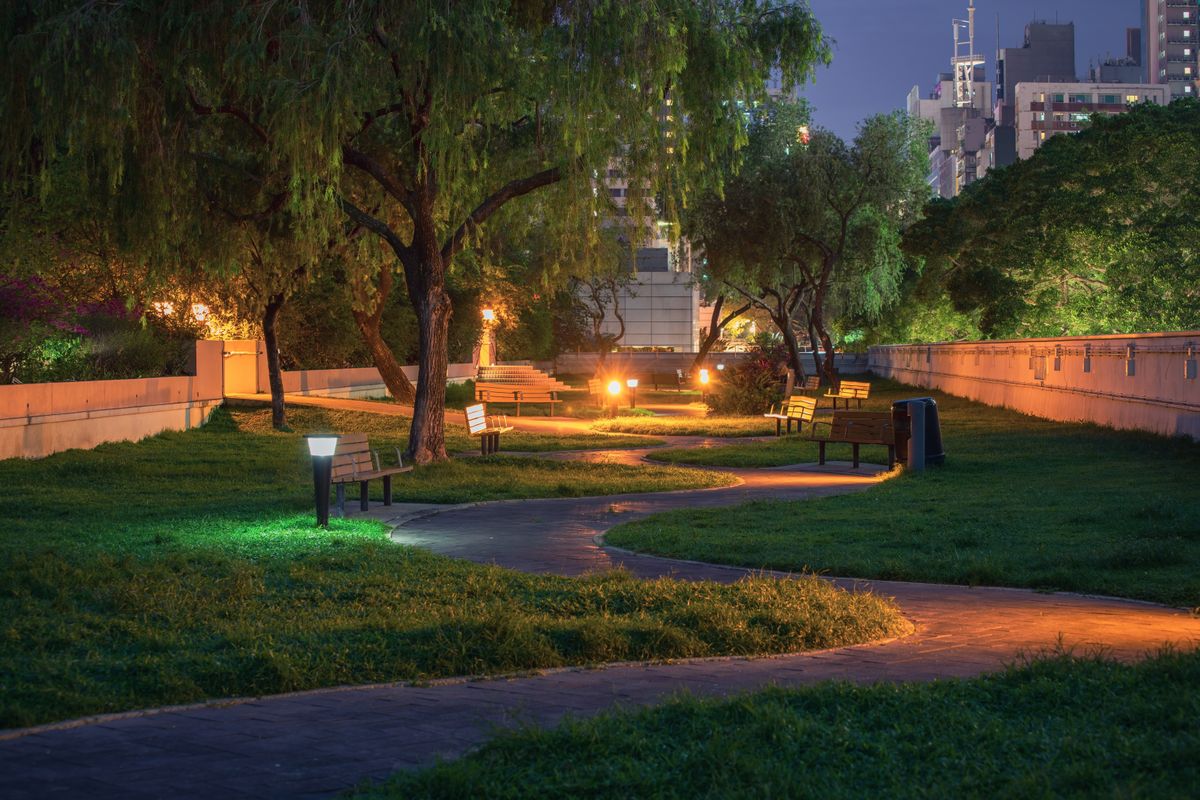
Photo by Gorma Kuma on Pexels
Choosing the right location for your display determines whether your solar spider web lights will stay lit until dawn or fade out before the trick-or-treaters arrive. A better layout is to mount the solar controller slightly higher on a fence post rather than using the included ground stake, simply to avoid the shadow cast by low-growing shrubs as the sun moves. When you are setting up your own display, follow this checklist to ensure maximum performance:
- Identify the spot with at least 4 hours of unobstructed southern exposure to ensure a full battery cycle.
- Clear any debris or fallen leaves from the solar panel surface every three days to maintain charging efficiency.
- Anchor the outer edges of the web to fixed points like gutters or heavy porch railings rather than thin tree branches.
- Test the light sensor by covering the panel with your hand during setup to confirm the LED modes are functioning.
- Ensure the solar lead wire is not pulled taut; leave a small amount of slack to prevent tension damage during cold-weather contraction.
Shop Solar Spider Web here: https://solyraspiderweb.com