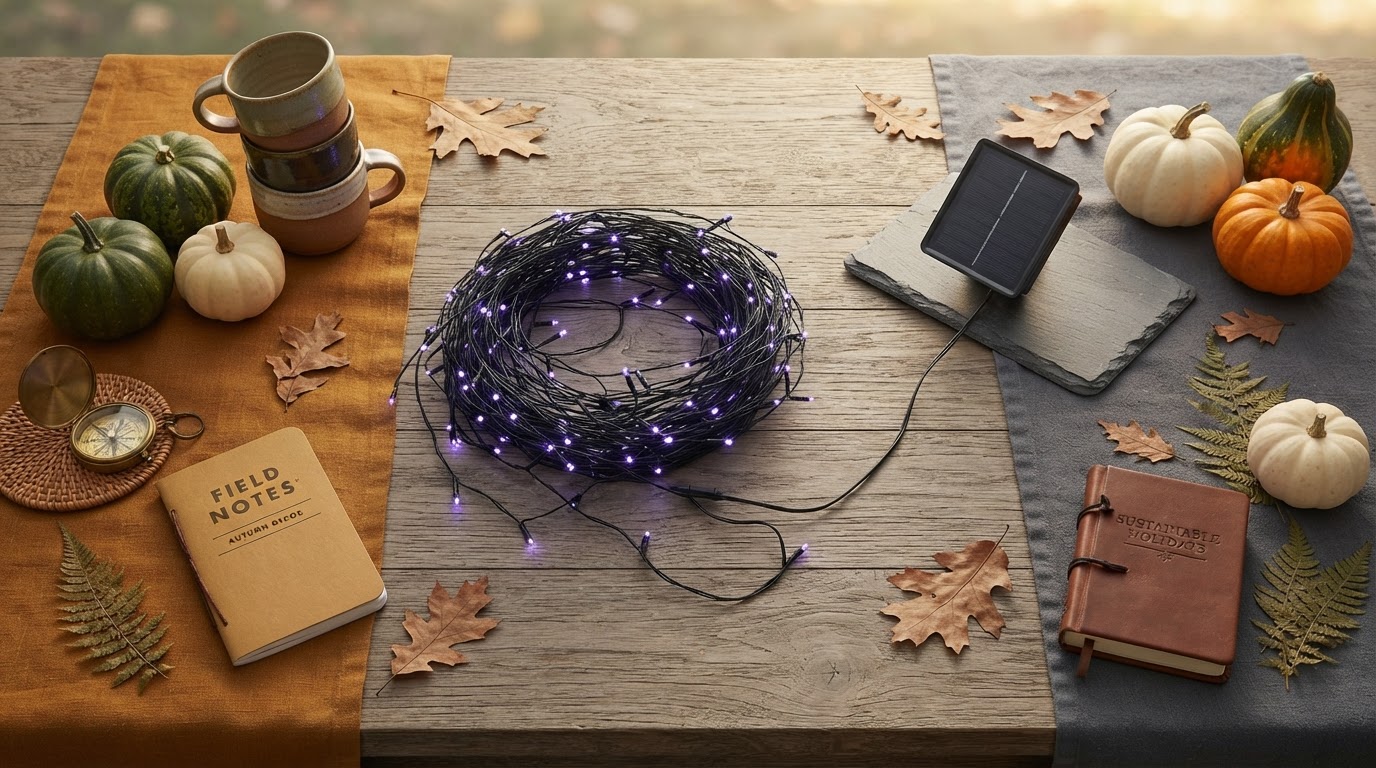
The Solar Spider Web Selection Framework for Outdoor Decor
 Priya RamanSenior Analyst
September 28, 2026 — The expansion of high-efficiency photovoltaic lighting has introduced a new technical standard for seasonal displays, specifically within the growing category of Solar Spider Web installations. As homeowners transition away from corded electrical setups, the demand for autonomous, weather-resistant outdoor lighting has prompted a shift toward specialized LED configurations designed for high-visibility impact.
Selecting the appropriate illumination for a property requires more than a casual aesthetic choice; it necessitates a technical evaluation of light density and structural scale. According to product specifications documented by LumaBase, high-quality lighted spider webs often utilize approximately 70 LED lights for a 53-inch diameter span to ensure consistent visibility in low-light environments. When evaluating these products, two axes matter here: the physical footprint of the installation and the diode density per square foot. By viewing the market through this lens, consumers can effectively distinguish between accent pieces and primary focal points.
The 3-Axis Evaluation Model
Think of it as a matrix of scale, density, and chromatic performance. The first axis, scale, determines the reach of the installation. Current market data shows a significant range in dimensions, from standard 53-inch residential models to expansive 23-foot giant webs, such as those produced by Hiboom, which feature 180 LEDs and multiple preset modes. The second axis, density, is measured by the total LED count relative to the surface area. High-density models, such as the 226 LED variants recently highlighted on social platforms like TikTok by Claudia Flores, provide a saturated glow that remains visible even in areas with moderate ambient light pollution. The third axis is chromatic temperature, which dictates the atmosphere of the display. While solar purple spider web lights offer a modern, high-contrast look, traditionalists may prefer the warmth of orange solar spider web lights to mimic classic harvest themes. Performance is further governed by the integration of ground-staked solar collectors. For example, some green-glow models utilize 135 LED bulbs supported by a specific configuration of five ground stakes and a central hook to maintain tension against wind resistance.
Expert tip: When installing halloween spider web lights solar powered, prioritize the placement of the solar panel in a south-facing position with zero obstruction. Even a 10% shadow coverage on a small-format panel can reduce the discharge time of a 226-LED array by several hours, which is critical for optimizing solar spider web performance during the shorter daylight hours of October.
Once you see it this way, the decision rule becomes clear: for large-scale architectural coverage, prioritize the 23-foot Hiboom-style formats, but for high-traffic entryways where detail matters, opt for the 70 to 135 LED density found in standard-sized webs. This ensures the structural integrity of the web is not lost to the weight of the wiring or insufficient tensioning.
Sources
Photo by ROMAN ODINTSOV on Pexels
- Electric Lighted Spider Web and Spider - LumaBase
- Giant 23ft Spider web decoration with LED lights from Hiboom - YouTube
- Outdoor Solar Powered Halloween Decorations Spider Web Lights - eBay