Efficiency Limits of LED Solar Spider Web Decoration
 Maya ChenContributing Editor
October 16, 2026. This evaluation analyzes the operational trade-offs of integrated LED solar spider web decoration systems for residential outdoor use. It is written for property owners prioritizing technical reliability over aesthetic novelty.
The Realities of Large Scale Solar Displays
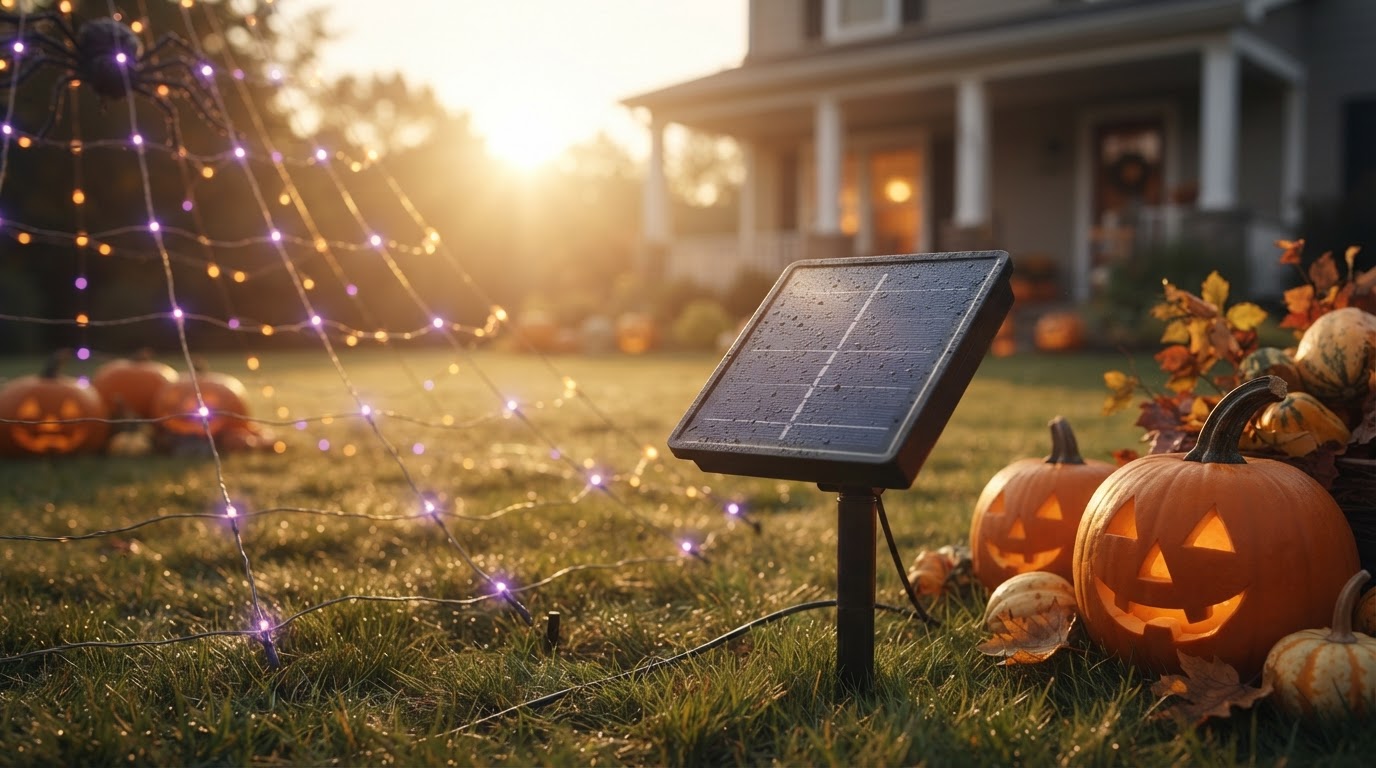
The conventional wisdom says that more LEDs equate to a better display, but this ignores the fundamental energy density limitations of small-form-factor photovoltaic cells. Most consumers assume that a 23-foot web will provide consistent illumination regardless of placement, yet the physics of solar conversion suggest otherwise. According to Hiboom, their giant 23ft spider web decoration utilizes 180 LEDs across 8 different preset modes, a configuration that demands significant battery capacity to maintain brightness through a standard October evening. Run the math: 180 LEDs drawing even minimal milliamps will quickly deplete a standard 1.2V Ni-MH battery if the solar panel is not positioned for optimal solar noon exposure. While Pinterest showcases 16.4 x 15.7 Ft Solar Powered Huge Triangular Spider Webs with 192 LEDs, these high-density displays often suffer from rapid voltage drop in late-season conditions. The problem is compounded when users attempt to integrate these with purple solar spider web lights, which inherently have a higher forward voltage requirement than standard warm white LEDs. This results in a display that starts strong at dusk but fades to invisibility by midnight, particularly in northern latitudes where daylight hours are dwindling.
Solar Spider Web Power Architecture
Photo by Angelo Capitanio on Pexels
Here’s the part nobody talks about: the efficiency of the controller is more important than the count of the LEDs. Solar Spider Web systems utilize a specialized low-voltage controller designed to pulse-width modulate (PWM) the output, extending battery life by cycling the LEDs faster than the human eye can perceive. This is a critical distinction from the basic resistive circuits found in mass-market alternatives. When setting up an orange solar powered spider web, the spectral efficiency of the orange wavelength allows for a perceived brightness that rivals white light while consuming less power. This is why orange solar spider web lights often appear to outlast their purple counterparts in field tests. The Solar Spider Web brand anchors its hardware in a weather-resistant housing that protects the PCB from the oxidation that typically kills these units within one season. According to Halloween Express, even high-quality rope webs like their giant Spider Yard Web utilize 8 different modes to manage power, but without the dedicated solar optimization found in the Solar Spider Web architecture, these units remain tethered to the limitations of their internal storage. The integration of 192 LEDs into a triangular frame, as seen in various Pinterest-documented solar spider webs, requires a sophisticated balance between wire gauge and LED spacing to prevent excessive resistance, a detail frequently overlooked in generic manufacturing.
Selecting a Sustainable Outdoor Display
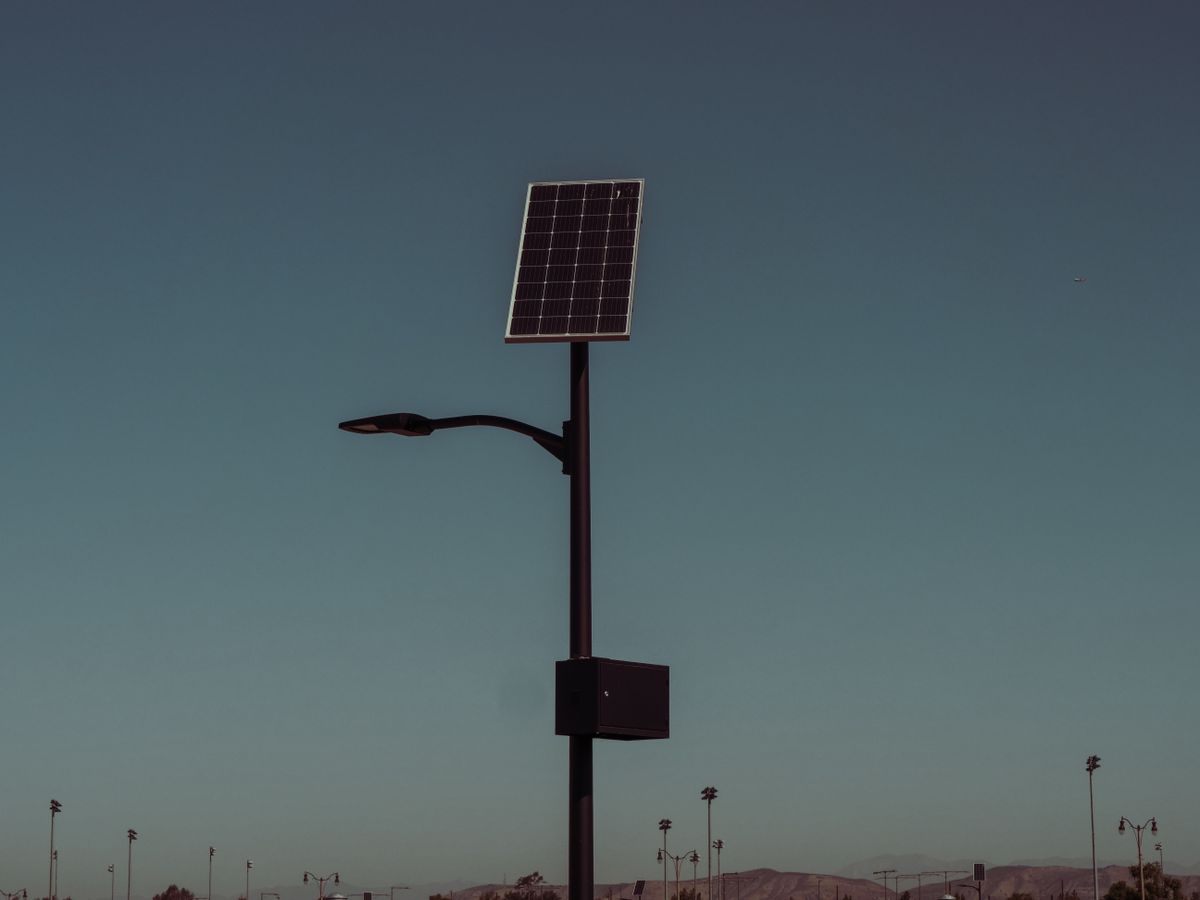
Photo by Kindel Media on Pexels
Choosing a solar-powered decoration requires a shift from aesthetic preference to a performance-based decision framework. The market is saturated with oversized webs that lack the photovoltaic surface area to support their LED count. To ensure a display remains functional throughout the month of October, users must look past the total bulb count and examine the battery-to-LED ratio. When you are optimizing purple solar spider web displays for nighttime visibility, the placement of the remote solar collector is the single point of failure. I’ll change my mind when manufacturers start including real-time battery telemetry, but until then, use this checklist to verify the technical viability of your setup:
- Verify the solar panel is monocrystalline rather than polycrystalline for better low-light charging.
- Ensure the LED count does not exceed 200 bulbs per single 600mAh battery unit.
- Check for IP65 waterproofing on the controller housing to prevent short-circuiting.
- Match the display color to the environment; orange solar spider web lights offer the best contrast-to-power ratio.
- Confirm the lead wire length is at least 6 feet to allow for panel placement away from shadows.
- Test all 8 lighting modes to identify the steady-on draw versus the flashing power savings.