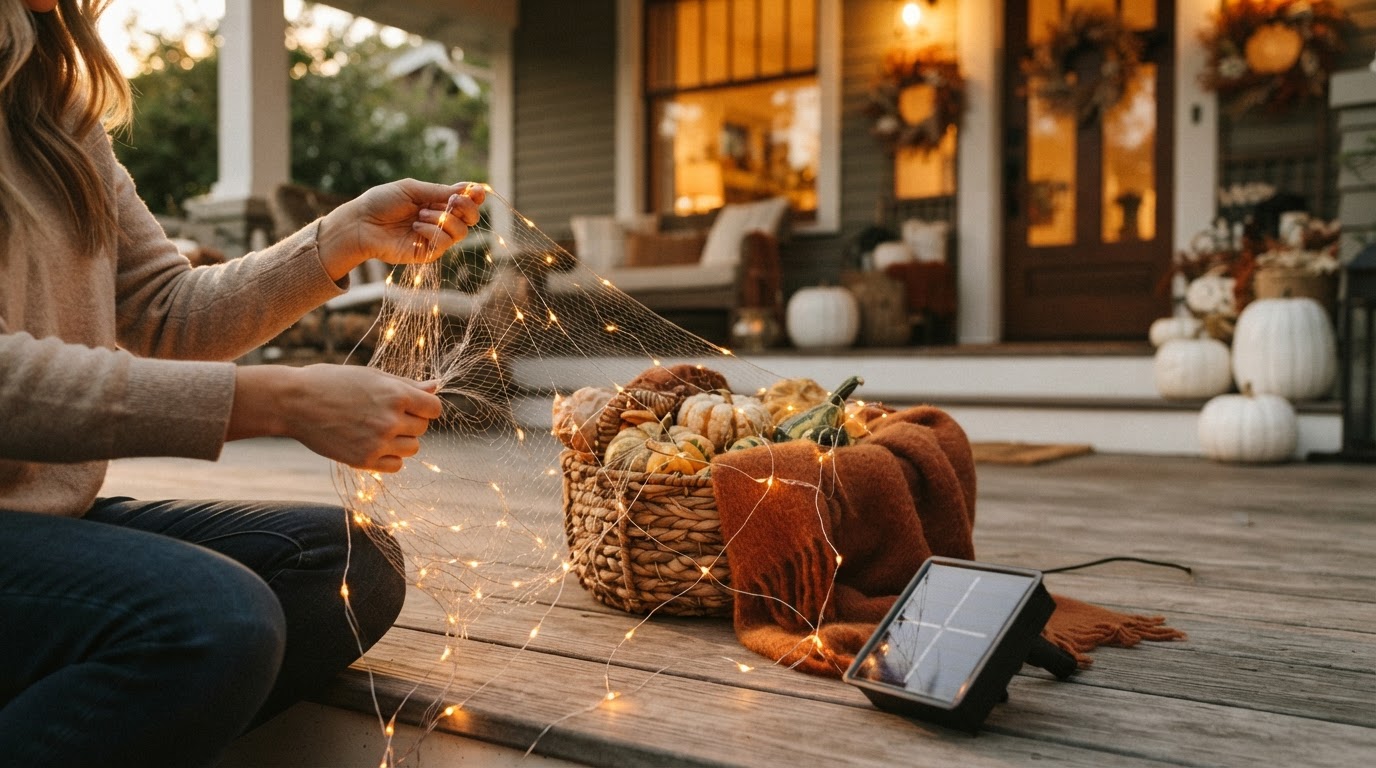
Solar Spider Web Orange Glow Setup Guide
 Jordan HaleStaff Writer
October 14, 2026 — The shift toward sustainable holiday lighting has reached a vibrant peak this season as Solar Spider Web introduces a warm, amber-hued aesthetic to residential landscapes. The first thing I noticed was how the orange light doesn't just cut through the darkness; it bathes the lawn in a low-frequency hum of color that feels more like a glowing ember than a standard bulb. According to product details found on eBay for similar light up cobwebs, the combination of a black web structure and mysterious orange lighting is specifically designed to create a welcoming yet eerie focal point for trick-or-treaters. This balance between visibility and atmosphere is what sets the current generation of solar-powered décor apart from the harsh, flickering LEDs of previous years.
The Orange Glow Framework
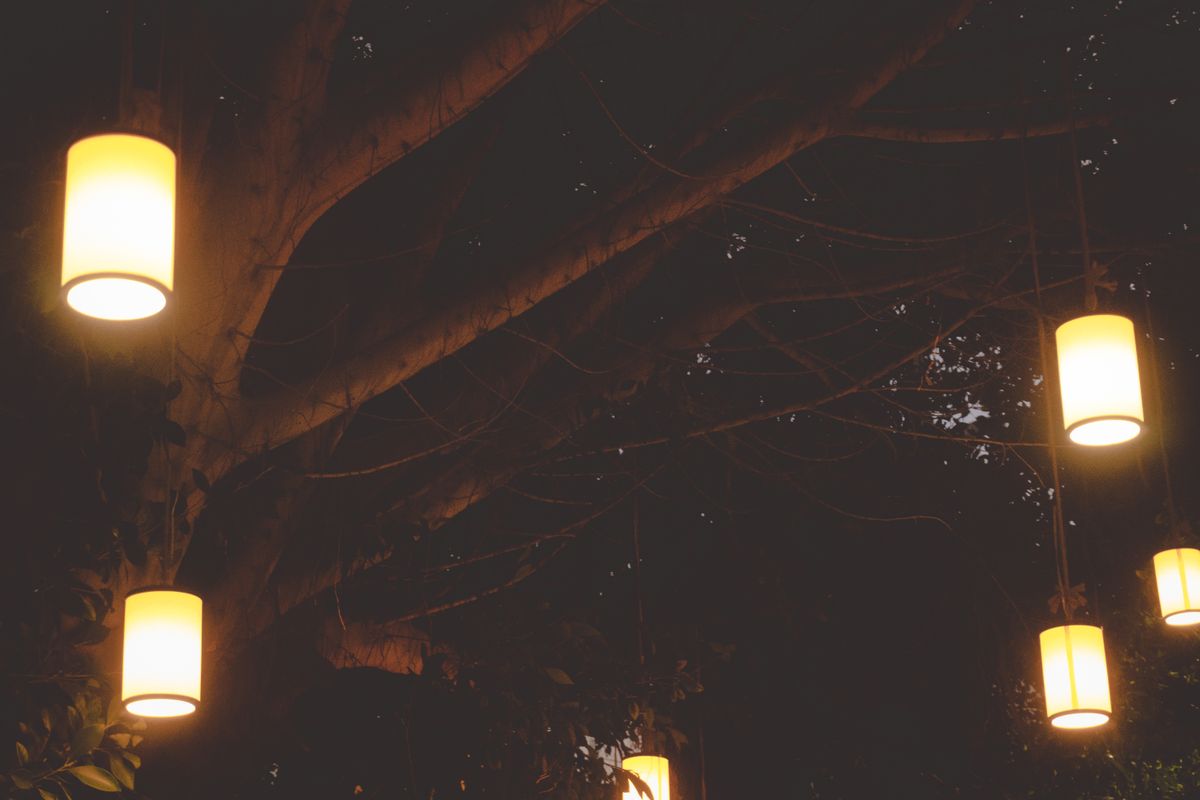
Photo by Mehmet Kaya on Pexels
When I first unboxed the unit, the weight of the central solar panel felt substantial, suggesting a battery capacity capable of handling more than just a few hours of twilight. Achieving the right look requires understanding how the 180 LEDs interact with the surrounding foliage. These units typically feature eight distinct lighting modes, ranging from a steady burn to a slow fade that mimics a breathing organism. It turns out that the placement of the solar stake is the most critical variable; for the orange solar powered spider web to reach its full luminosity, the monocrystalline panel needs at least six hours of direct exposure to store enough energy for an eight-hour runtime. While some larger 23-foot models from brands like Hiboom focus on multi-color transitions, the dedicated orange spectrum provides a more cohesive, classic look. I keep coming back to the way the weather-resistant coating on the web strands catches the light, preventing the "plastic shine" that often ruins the illusion of a giant arachnid's home. The IP65 waterproof rating ensures that even during a heavy October downpour, the internal circuitry remains dry, allowing the orange LEDs to pierce through the rain with a saturated, pumpkin-like intensity that remains consistent across the entire diameter of the web.
Expert tip: To maximize the visual impact of your orange solar spider web lights, position the central hub slightly lower than the perimeter anchors to create a 3D cone effect that catches ambient moonlight alongside the led solar spider web decoration. This depth makes the purple solar spider web lights in your secondary display pop even more. When you are optimizing purple solar spider web displays for nighttime visibility, the contrast against the orange creates a professional-grade color story for your yard.
Integrating these sustainable pieces into a larger display ensures your home remains the highlight of the neighborhood without increasing your energy footprint.