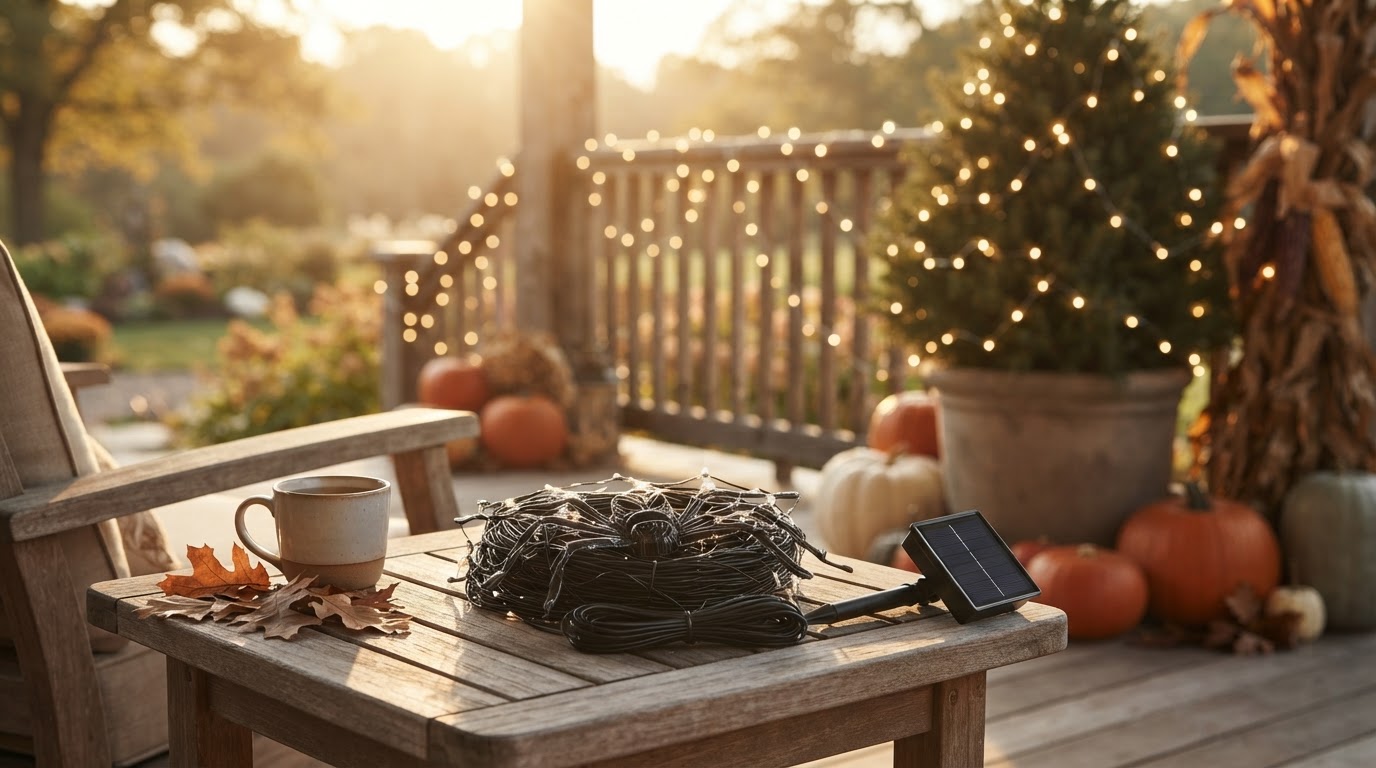
Can Solar Spider Web lights stay outside all October?
 Priya RamanSenior Analyst
October 28, 2026 — Outdoor Solar Spider Web decorations can typically remain outdoors for the duration of the autumn season, provided they utilize IP65-rated components and receive at least six hours of direct sunlight to maintain battery health.
Homeowners evaluating seasonal lighting often struggle to balance aesthetic impact with mechanical reliability. Think of it as a matrix of energy harvesting versus structural integrity; the utility of these decorations depends entirely on how the solar cells interact with declining daylight and whether the textile webbing can withstand moisture retention. Understanding these variables ensures that a yard remains illuminated without constant manual intervention or safety risks.
How does solar efficiency impact spider web illumination?
Two axes matter here: the total LED count and the surface area of the solar collector. A Solar Spider Web system must convert enough energy during short October days to power high-density LED arrays through the night. According to product specifications found on eBay, a large 14.8 x 16.4 FT triangular spider web featuring 135 LED purple lights requires a specific balance of solar intake to maintain its glow. Once you see it this way, it becomes clear that the placement of the solar stake is more critical than the placement of the web itself. If the panel is shaded by the very eaves it is attached to, the lithium-ion battery will fail to reach a full charge cycle, leading to dimming by midnight. Data from Pinterest listings for 192 LED models suggests that 8 distinct lighting modes further complicate energy consumption, making high-efficiency monocrystalline panels a necessity for those in northern latitudes.
Are Solar Spider Webs durable enough for autumn weather?
The decision rule for outdoor longevity is the quality of the webbing material combined with the waterproof rating of the controller box. Most high-quality Solar Spider Web units are designed to shed water, but the physical structure of the web acts as a sail during high winds. As detailed in the guide on how Solar Spider Web lights handle storms, the tension of the installation determines whether the internal wiring survives a gusty night. A specific model highlighted by Lutz Greenhouse features a decorative solar-powered spider lantern with a cracked glass ball, demonstrating that weight distribution is a key factor in stability. If the web is too loose, it collects debris and moisture, increasing the load on the anchor points. Therefore, weatherproofing solar spider web installations involves ensuring the solar panel is positioned away from runoff areas and that the waterproof solar spider web lights used are rated for the specific moisture levels of the local climate.
Quick answers
Q: How many LEDs are typically found on large solar spider webs? A: Large-scale triangular webs, such as those measuring 16.4 x 15.7 feet, frequently feature 192 LEDs to provide full coverage across the nylon structure.
Q: Can these lights operate in freezing temperatures? A: While the LEDs themselves are resistant to cold, the efficiency of the internal battery in a Solar Spider Web unit significantly drops when temperatures fall below 32 degrees Fahrenheit.
Q: What is the average runtime for a solar spider web on a full charge? A: Most units, including those cited in Pinterest design ideas, offer between 8 to 10 hours of illumination after a standard 6-hour charging period in direct sun.
Learn more about Solar Spider Web at https://solyraspiderweb.com.
Sources
- Outdoor Solar Powered Halloween Decorations Spider Web Lights - eBay
- Diy Glowing Spiderweb for Porch with Led Lights - Pinterest
- Spooky season just got a whole lot more magical. 🕷️ These solar ...