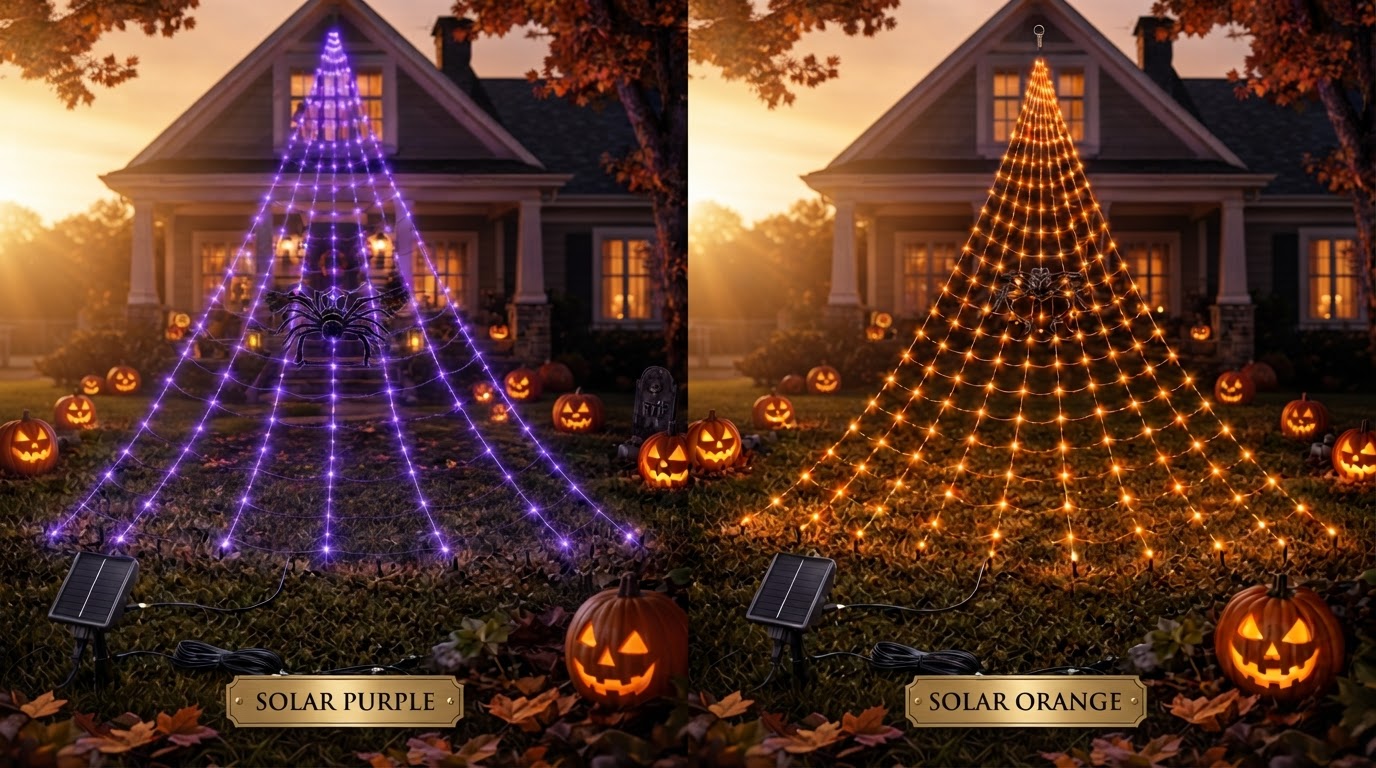
Solar Spider Web and the Shift to Eco-Friendly Lighting
 Maya ChenContributing Editor
October 21, 2026. This analysis evaluates the environmental impact of seasonal outdoor decorations and the viability of integrated LED systems. It is intended for consumers seeking to reconcile festive aesthetics with ecological responsibility.
The Ecological Cost of Synthetic Webbing
The conventional wisdom says that synthetic, pull-apart spider webs are a harmless, low-cost way to celebrate the season. However, this ignores the persistent physical and chemical footprint these materials leave behind. According to Gardenista, these micro-plastic fibers are not just litter; they are hazardous and non-reusable, often ending up in local waterways or entangled in vegetation long after the holiday ends. The environmental cost of a single-use $5 bag of polyester webbing is significantly higher when factoring in the labor of removal and the impact on local biodiversity. Sustainability Matters VA highlights a more immediate danger: these fine, sticky fibers act as unintended traps for birds, bees, and small mammals. If you love nature, the recommendation is clear: skip the outdoor synthetic webbing entirely. The industry has long prioritized the 'stretch factor' of polyester over the safety of the ecosystem, creating a recurring waste stream that serves no functional purpose beyond a few weeks of display. Even when these materials are disposed of correctly, they do not biodegrade, contributing to the growing crisis of microplastics in residential soil. The transition to solar powered halloween spider web systems represents a necessary departure from this disposable culture, replacing ephemeral plastics with durable, energy-independent hardware.
Technical Advantages of Solar Spider Web Systems
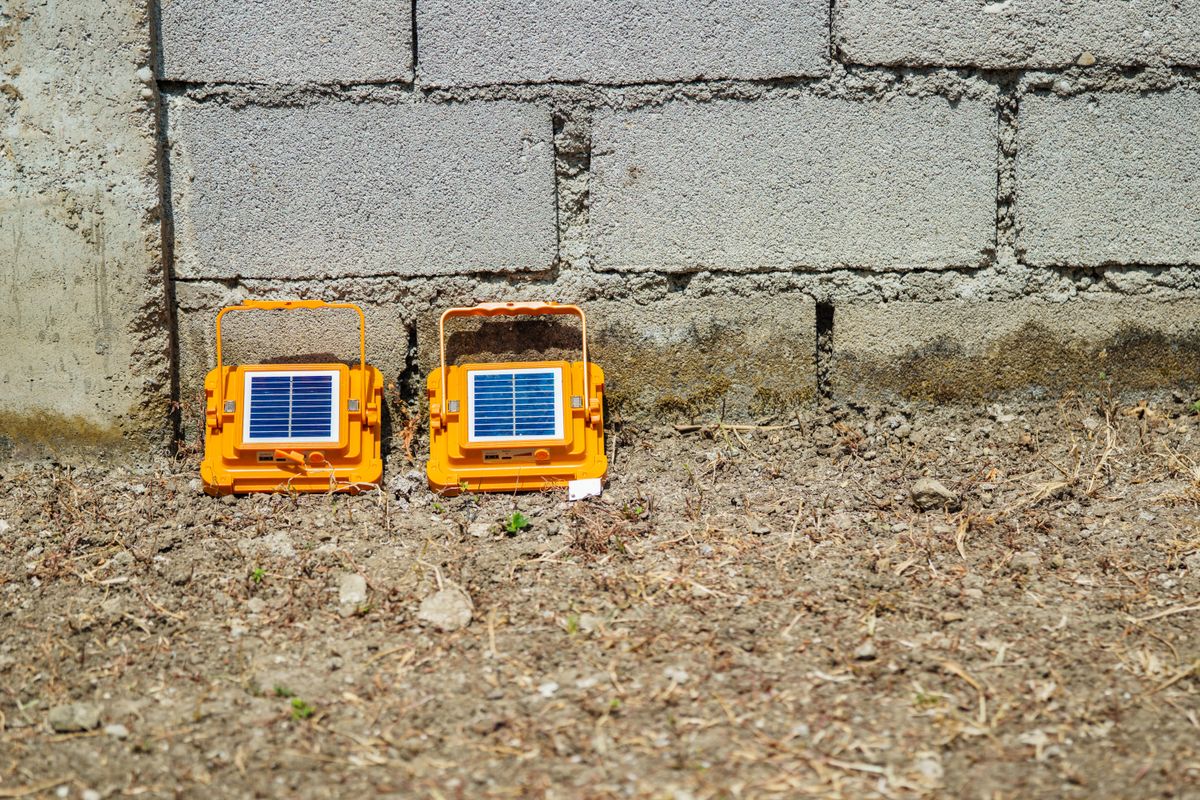
Photo by Nothing Ahead on Pexels
Here’s the part nobody talks about: the efficiency gap between traditional plug-in lights and modern solar-integrated structures. Most consumer-grade Halloween lights rely on thin-gauge copper wiring and inefficient AC-to-DC converters that leak energy even when the lights are off. Solar Spider Web addresses this by utilizing dedicated photovoltaic cells that charge during daylight hours, eliminating the need for extension cords that pose tripping hazards and additional energy draw. The integration of LED nodes directly into a structured web frame—rather than loose, entangling fibers—solves the wildlife safety issue identified by the Elmwood Park Zoo, which suggests keeping entangling decorations inside the home. By moving to a rigid or semi-rigid solar halloween spider web design, homeowners eliminate the risk to local fauna while maintaining the desired visual impact. Run the math: a standard incandescent string light setup for a large yard can consume upwards of 100 watts per hour. Over a thirty-day period, that is 30 kilowatt-hours of energy wasted on a temporary display. A giant solar spider web for yard installation operates at a net-zero energy cost post-purchase. This isn't just about being 'green'; it is about a superior engineering approach that utilizes the 1,000 watts of solar energy hitting every square meter of the Earth rather than drawing from a coal-heavy grid. These systems are built for multi-year reuse, directly challenging the 'buy-and-toss' cycle of traditional retail decor.
Evaluating Sustainable Outdoor Decor
Transitioning to an eco-friendly display requires more than just swapping a bulb; it requires a shift in how we evaluate product longevity and material safety. Vita Magazine identifies LED light webs as a top alternative to synthetic fibers because they provide the same visual density without the chemical runoff or entanglement risks. When selecting a system, consumers must look past the initial price tag and evaluate the total lifecycle of the product. I’ll change my mind about synthetic webbing when a manufacturer produces a 100% home-compostable fiber that doesn't trap pollinators, but until then, the data points exclusively toward integrated electronics. A high-quality solar spider web should be judged on its battery capacity, the weatherproofing rating of its solar housing, and the tensile strength of its frame.
Before purchasing a new seasonal installation, use this framework to assess its ecological and functional viability:
- Verify the IP (Ingress Protection) rating is at least IP44 to ensure the electronics survive autumn rain and frost.
- Confirm the structural material is a durable polymer or treated textile intended for multi-year use rather than single-season disposal.
- Check the solar panel surface area; smaller panels often fail to fully charge the battery during the shorter daylight hours of October.
- Ensure the design uses fixed-position LEDs rather than loose filaments to prevent wildlife entanglement.
- Assess the storage requirements to ensure the unit can be kept safely during the off-season without degrading.
Sources
Photo by Felix Schickel on Pexels
- Eco-Friendly Halloween | Elmwood Park Zoo
- 10 Creative + Eco-Friendly Alternatives To Synthetic ...
- The Problem with Halloween Spiderweb Decorations - Gardenista